Neal BullAuthor & independent researcher

The book / Part I

Decoding the Patterns of the Lost Worlds

Structures, Myths, and Forgotten Origins

A wall can be repaired by people who never knew its builders. A flood can leave a tale long after a river changes course. How much of the first story can we recover from the second?

Neal Bull brings archaeology, ancient texts, astronomy, geology and comparative mythology to that question. Part I moves from how people recognised patterns to what they did when those patterns broke down.

The original cover of Decoding the Patterns of the Lost Worlds, Part I by Neal Bull, with a view to the sea from a cave
Part I · Cover photograph from Neal’s collection

The reading route

The three arcs

Each arc brings six topics into the online companion. Follow them in order, or begin with a question that interests you.

Arc I

The Ancient Operating System

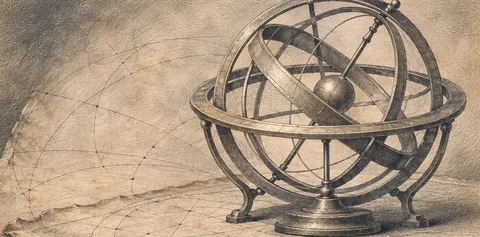
The opening arc begins with a practical problem. A day and a year are easy to recognise, but how do you preserve an observation that takes more than one lifetime to repeat? Neal reads symbols, stories and monuments as possible ways of carrying knowledge across generations.

Browse Arc I topics

Arc II

Catastrophe & Survival

The second arc sets stories of floods and refuge alongside the physical demands of survival. A tale can describe a disaster, explain who has the right to rule, or teach the next generation where to find shelter. The same story can do all three.

Browse Arc II topics
Arc III

Rebuilding & Fractured Memory

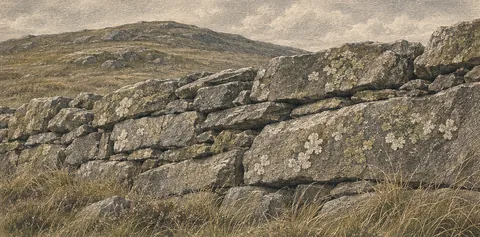
The final arc turns to the people who inherit a place. A repaired wall might preserve an earlier technique, reveal a new one or show where both were used together. The book applies that question to stonework, lost landscapes and traditions about earlier builders.

Browse Arc III topics

Neal’s working model

The four builds

Part I gives four names to the different relationships people can have with an inherited place. Neal uses them as an interpretive framework. Their value at a particular site depends on what can be dated, observed or independently checked.

  1. The Original Builders

    Who first chose the site and laid it out? The foundation, an abandoned cut or the joint between two blocks may preserve a decision that later work concealed.

  2. The Resilience Engineers

    What changed when a place came under pressure? This stage considers the decisions people made when shelter, access or survival became more urgent.

  3. The Memory Keepers

    Which parts of a tradition can travel? A name, a ritual or a story might survive a move even when the tools and materials of the old place are left behind.

  4. The Reclaimers

    What did later occupants do with what they found? A repaired wall or a reused stone gives the inheritors a place in the history of a monument.

In Neal’s words

Selected passages

Prologue · Before the First Memory
“Stone remembers what species forget.”
Chapter 1 · The Finger and the Moon
“The story is not always the destination. The symbol is not always the thing itself.”
Chapter 3 · The Lost Language of the Ancients
“Symbols catch the eye. Stories carry memory. Patterns provide precision.”
Chapter 23 · The Architecture of Survival
“Survival was never just endurance. It was design.”

Follow a passage into the discussion.

Explore the topic index